

📌 This article contains affiliate links. As an Amazon affiliate, I may earn commissions on qualifying purchases at no extra cost to you.
What Is Melatonin?
Melatonin is a hormone that plays a crucial role in regulating the sleep-wake cycle in humans. This substance is mainly produced by the pineal gland, located in the brain. Melatonin production is directly linked to light exposure; its levels increase in darkness and decrease with light, helping regulate the circadian rhythm — a natural cycle that controls sleep and other physiological processes over a 24-hour period.
7 Benefits of Melatonin for Restful Sleep Quality
- Helps Regulate the Circadian Rhythm: Facilitates aligning your body’s internal clock with your natural sleep schedule.
- Reduces Sleep Onset Latency: Helps decrease the time it takes to fall asleep on occasion.
- Supports Overall Rest Quality: Promotes a continuous sleep cycle with fewer nighttime disruptions.
- Eases Jet Lag Symptoms: An effective tool for resetting sleep patterns after long-distance travel or major time zone shifts.
- Provides Targeted Relief for Minor Sleep Disruptions: Offers temporary support during occasional difficulty falling asleep.
- Harmonizes with Body Biology: Works naturally with your physiological processes, as it mimics the sleep hormone produced by the body.
- Boosts Daytime Well-Being: Efficient overnight rest positively impacts energy levels, mental focus, and mood throughout the day.
Melatonin: The Hormone That Regulates Sleep Cycles and Rest Quality
Often referred to as the “sleep hormone,” melatonin acts as a chemical signal that tells the body it is time to rest. This naturally synchronizes sleep cycles with environmental light patterns, promoting restorative and efficient sleep. Maintaining balanced melatonin levels is essential for healthy sleep hygiene, as low levels may contribute to insomnia and sleep disorders.
Melatonin production can be affected by stress, age, and lifestyle habits. Some individuals choose melatonin supplements to help improve sleep quality, especially in situations such as jet lag or night-shift work. However, it is important to consult a healthcare professional before starting any supplement, as melatonin may not be suitable for everyone.
According to NIH studies, melatonin can help regulate the sleep cycle under certain conditions.
This article is informative and does not replace medical advice. Consult your doctor before using supplements.
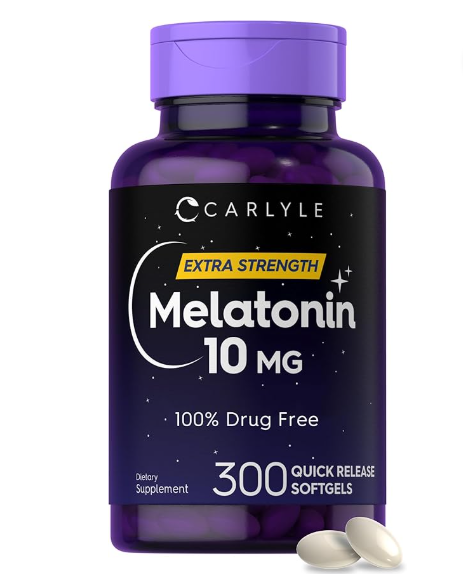
Carlyle High-Potency Melatonin 10 mg (300 Quick-Release Softgels)
Optimal 10 mg Strength: Delivers a targeted, high-potency dose designed for adults seeking to promote sleep onset, regulate circadian rhythm, or ease time zone shifts caused by jet lag.
Quick-Release Softgels: Formulated in easy-to-swallow softgel capsules to support efficient absorption as part of your nightly routine.
Long-Lasting Supply: Includes 300 softgels per bottle, offering a highly economical choice for continuous long-term rest support.
🎯 Ideal for: Individuals experiencing occasional circadian rhythm disruptions, users preferring pure softgel formats without complex herbal additives, and value-focused buyers.
💡 Tip:
Expert Advice: “Physical alignment and the body’s biological chemistry are deeply interconnected. If your nervous system is overloaded with cortisol (the stress hormone), your muscles will remain involuntarily stiff and contracted throughout the night, neutralizing the benefits of your mattress or cervical pillow. Combining Melatonin with Magnesium Glycinate and Ashwagandha in NEVISS acts as an ‘organic muscle relaxant.’ By lowering chemical resistance in muscle tissue, you allow your spine to gently and naturally adopt optimal posture in bed, achieving deep, uninterrupted restorative sleep.”
NEVISS High-Potency 50mg Melatonin (9-in-1 Sublingual Formula)
Fast-Dissolving Sublingual Absorption: Formulated to melt smoothly under the tongue, allowing active nutrients to enter the bloodstream efficiently without passing through prolonged digestive processes before bedtime.
Advanced Triple-Action Nighttime Formula: Combines a concentrated dose of Melatonin (50 mg) to support natural sleep onset, alongside Magnesium Glycinate and Vitamin D3 to promote muscle relaxation and physical rest.
Calming Herbal & Adaptogen Complex: Enriched with Ashwagandha to help soothe daily stress, paired with botanical extracts of Lemon Balm, Chamomile, Passionflower, and Valerian Root to induce mental tranquility.
🎯 Ideal for: Adults facing occasional difficulty falling asleep or disrupted circadian cycles, individuals dealing with high daily tension who experience nighttime stiffness in the neck and shoulders, and anyone seeking comprehensive sleep support.
💡 Tip:
Expert Advice: “For biomechanical tools such as SOT blocks or posture correctors to work their overnight magic, the body must transition smoothly into deep sleep. Carlyle’s 10 mg Melatonin is ideal because it gives the body the exact signal to start resting without overloading your receptors. Taking it 30 minutes before bed allows baseline muscle tone to decrease naturally; this way, as your body rests on the mattress, your spine adapts to ergonomic alignment without resistance from stress or nervous fatigue.”
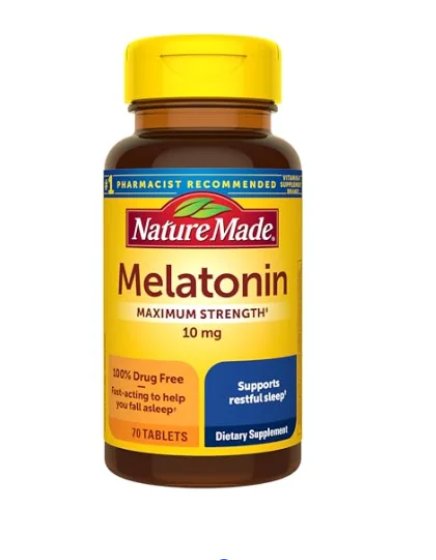
Nature Made Extra Strength Melatonin 10 mg (70 Tablets)
- High-Potency Support: Each tablet provides 10 mg of melatonin, a concentrated dose designed to support natural sleep onset, regulate circadian rhythms, and bolster your nightly routine.
- Trusted Quality & Heritage: Crafted by one of the most recognized vitamin and supplement brands, ensuring strict manufacturing standards and rigorous ingredient selection.
- Clean Formula: Formulated without artificial flavors, preservatives, synthetic dyes, and 100% gluten-free for a safe addition to your daily regimen.
- 🎯 Ideal for: Individuals who value established supplement brands, users managing occasional sleep schedule shifts (such as jet lag or rotating work shifts), and those who prefer straightforward single-ingredient tablets.
Melatonin Gummies 30mg for Adults: Maximum Strength Melatonin Supplement with L-Theanine, Ashwagandha, MSM, Vitamin D3 & Zinc – Non-Habit Forming, Natural Mixed Berry Flavor 60 Count (Pack of 2)
Double Value Pack (2 Bottles – 60 Gummies Each): Includes 2 bottles containing 60 gummies each (120 gummies total), ensuring an extended supply for your sleep routine.
Maximum Strength Formula (30 mg): Extra-strength chewable supplement fortified with L-theanine, ashwagandha, MSM, Vitamin D3, and Zinc.
Non-Habit Forming Relaxation: Natural mixed berry flavor designed to support restful sleep without creating dependency.
This article is informative and does not replace medical advice. Consult your doctor before using supplements.
Benefits of Melatonin for Better Sleep
Melatonin is naturally produced by the body and is directly related to sleep cycle regulation. In recent years, melatonin supplements have become increasingly popular because of their ability to improve sleep quality.
One of the main benefits of melatonin is its ability to reduce the time needed to fall asleep. This can be especially helpful for individuals suffering from occasional or chronic insomnia. Many users report falling asleep faster and enjoying more restorative rest after taking melatonin supplements.
Melatonin may also improve deep sleep quality. Deep sleep is one of the most restorative stages of the sleep cycle, during which the body and mind recover physically and mentally. Studies suggest that people who take melatonin experience longer periods of deep sleep, leading to improved energy and well-being upon waking.
Another important benefit is its effectiveness in reducing jet lag symptoms. Melatonin helps regulate the body’s internal clock, making it easier for travelers to adjust to different time zones more quickly.
In summary, melatonin can be a valuable supplement for people seeking to improve sleep quality naturally by reducing sleep onset time, increasing deep sleep duration, and supporting healthy sleep patterns.
Possible Side Effects and Important Considerations
Although melatonin is generally considered safe for short-term use, some people may experience side effects. The most common include daytime drowsiness, dizziness, and mild digestive discomfort. Less common effects may include mood changes, confusion, or disorientation. These symptoms are usually temporary but should be monitored carefully.
This article is informative and does not replace medical advice. Consult your doctor before using supplements.
Recommended dosages vary depending on individual needs and sleep conditions. Experts often suggest starting with a low dose between 0.5 mg and 3 mg approximately 30 to 60 minutes before bedtime. Higher doses may be recommended in certain cases, but only under medical supervision.
Certain individuals should exercise caution when using melatonin. People with autoimmune disorders, diabetes, or mental health conditions should consult a healthcare provider first. Additionally, melatonin may interact with medications such as blood thinners, birth control pills, or immunosuppressants.
Discussing melatonin use with a healthcare professional is essential to ensure safe and effective treatment.
Tips for Using Melatonin Effectively
To maximize the benefits of melatonin, proper use is important. Timing, sleep environment, and healthy sleep habits all contribute to better results.
The ideal time to take melatonin is usually 30 to 60 minutes before bedtime. Taking it consistently at the same time every night helps regulate the body’s internal clock and promotes a healthier sleep routine.
Creating the right sleep environment is equally important. A dark, quiet, and cool bedroom can significantly improve sleep quality. Blackout curtains, earplugs, and limiting screen exposure before bed may help support the body’s natural melatonin production.
Melatonin should be viewed as a complement to healthy sleep habits, not a replacement. Maintaining a consistent sleep schedule, avoiding excessive caffeine or alcohol, and exercising regularly can all improve sleep quality when combined with melatonin use.
By adopting a balanced nighttime routine and using melatonin responsibly, individuals may experience deeper, more restorative sleep and improved overall well-being.