Introduction to Bed Comforters
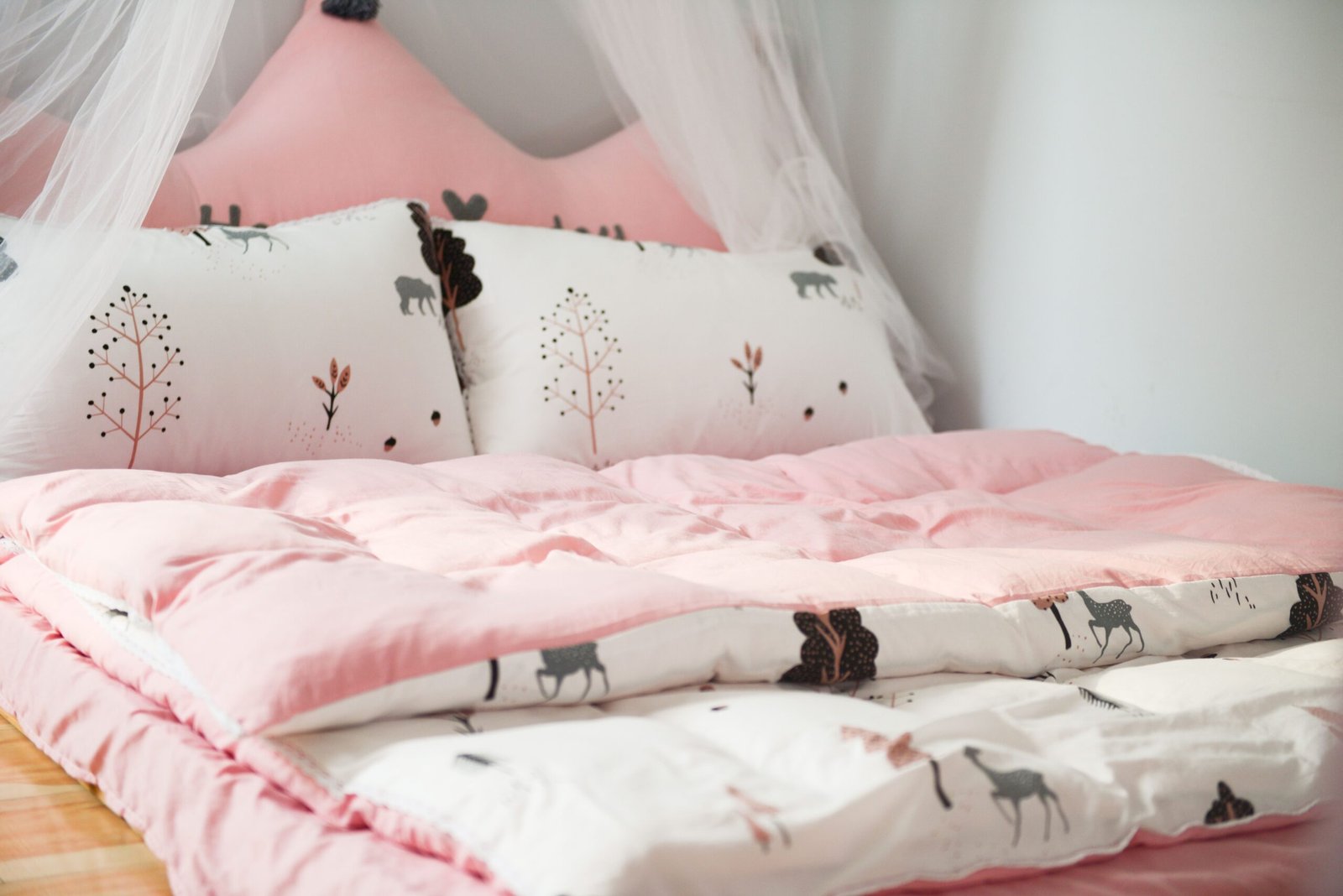
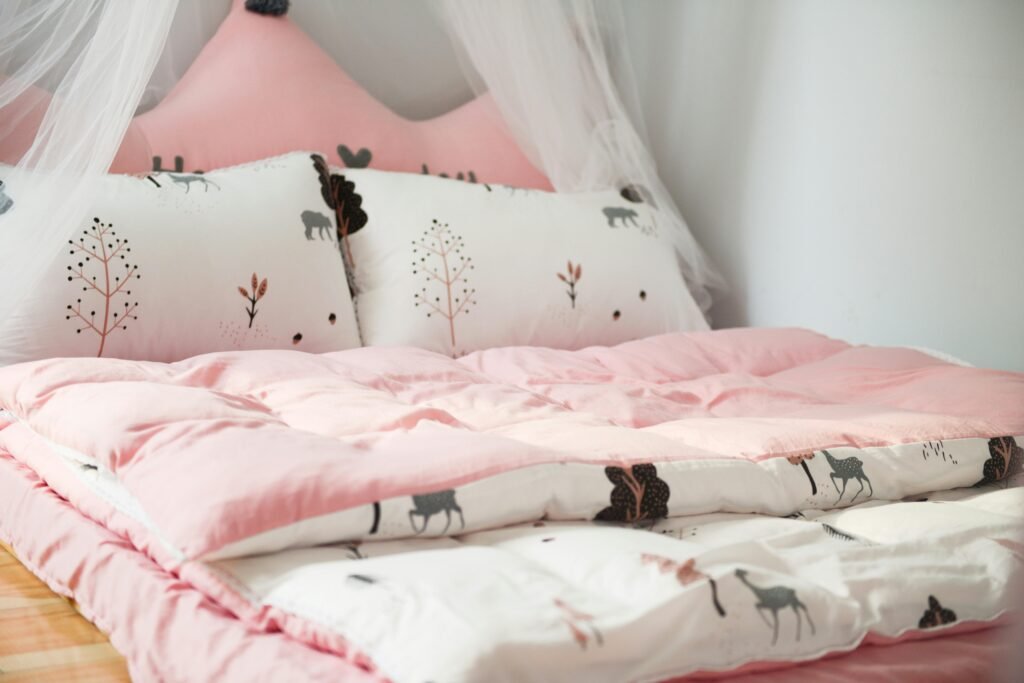
A high-quality comforter is an essential element for ensuring a comfortable night’s sleep and defining the aesthetic of your bedroom. Beyond providing warmth on cold nights, comforters serve as the centerpiece of bedroom decor, adding texture, depth, and style to the space.
Versatility & Restful Functionality
Modern bedding options offer a diverse range of styles tailored to different sleep needs and local climates. Selecting the right comforter involves key considerations such as fill weight, materials, and personal comfort:
- Weight & Temperature Control: Lightweight, breathable options designed for warmer months versus thicker, high-loft comforters built for cold seasons.
- Materials & Easy Care: Choosing between down-alternative synthetic fills or natural down, focusing on durability, ease of laundering, and long-term performance.
- Aesthetics & Comfort: Versatile designs that balance effective thermal insulation with a inviting, cozy finish.
Considering both functional requirements and decorative style ensures you select a comforter that delivers long-lasting comfort and enhances your bedroom setup.
Types of Bed Comforters
A wide variety of comforters is available to suit different sleep preferences, warmth levels, and seasonal changes. Below is a breakdown of the most common types, highlighting their key features and ideal use cases to help you make an informed choice:
BedJet: Advanced Climate, Heating, and Cooling for Your Bed
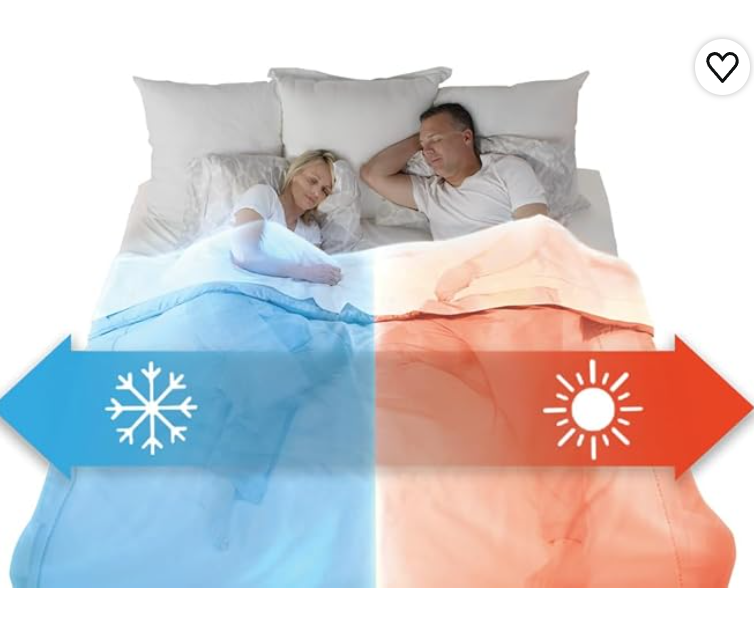
- Customizable Climate Control: Promotes optimal temperature management under your comforter with adjustable airflow designed to cool on warm nights or warm the bed in winter.
- Quiet Air Circulation: Helps prevent heat buildup with an ultra-quiet ventilation system that distributes airflow evenly across the mattress.
- Universal Bedding Compatibility: Seamlessly integrates with your current bedding setup or favorite comforter without altering your bedroom decor.
- User-Approved Quality: A well-received technological solution designed to enhance daily sleep comfort and thermal balance.
Down Comforters
Down and Natural Feather Comforters
Comforters filled with feathers or natural down are highly valued for their excellent thermal insulation and lightness.
Maintenance and Care: They usually require a higher investment and specific care, like using protective duvet covers or gentle cleaning processes according to the manufacturer’s instructions.
Efficient Thermal Insulation: Their natural structure traps air effectively, providing optimal warmth without adding excessive weight on the body.
Recommended Use: They are an ideal option for cold areas or for those seeking maximum thermal comfort in winter.
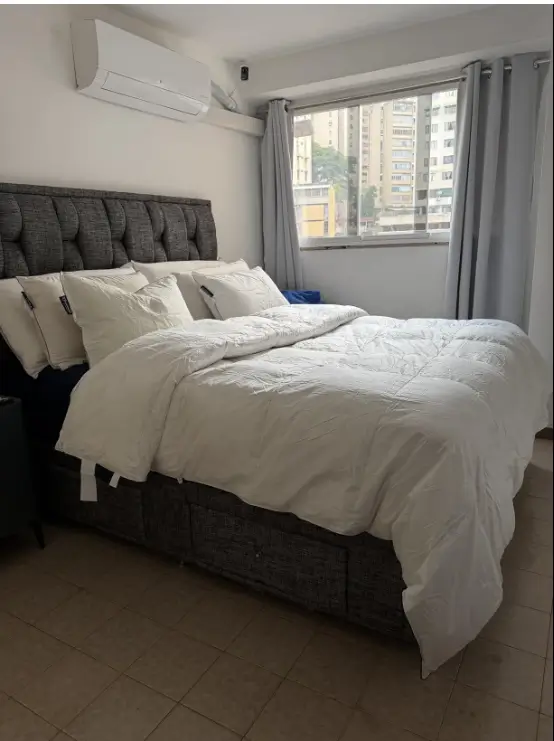
Pacific Coast – Goose Down Comforter (Queen)
Fill Material: Goose Down Fill | Shell: 420 Thread Count Cotton Cover | Design: All-Season Baffle Box Construction
- Goose Down Fill: Quality goose down cluster fill designed to provide consistent volume and loft.
- Australian Cotton Cover: 420 thread count shell offering a smooth surface texture and breathability.
- Baffle Box Construction: Internal baffle box stitching keeps the fill evenly distributed to help prevent cold spots across the bed.
- All-Season Design: Medium-weight construction suitable for year-round warmth and ventilation (90 x 90 inches).
📋 FAQ: Quality and Durability
Q: Is it worth investing in a premium natural fiber comforter versus a down-alternative option?
A: Yes, depending on your temperature preferences and care routine. Natural fills like Pacific Coast goose down or YOUR MOON wool deliver long-term durability and organic temperature regulation. Conversely, if you prefer machine-washable convenience and a plush boutique hotel feel without animal-derived fibers, high-grade down-alternative options like Lavish Comforts offer exceptional warmth and loft.
Q: Do down or wool comforters make rustling noises when moving at night?
A: Premium comforters use specialized high-density outer shells designed to minimize fabric friction. For instance, the YOUR MOON wool comforter features a quiet cotton shell crafted to dampen sound from movement for a peaceful sleep.
Synthetic & Down-Alternative Comforters
Synthetic comforters, typically crafted with high-density microfiber or polyester fills, offer a practical and versatile alternative to natural down:
- Great Value & Loft: Delivers balanced warmth, comfortable plushness, and long-lasting durability at an accessible price point.
- Low-Maintenance Care: Designed for easy home care, with most models being fully machine washable and dryable.
- Hypoallergenic Properties: Synthetic fibers resist moisture retention, helping reduce allergen buildup and providing a gentle option for sensitive skin.
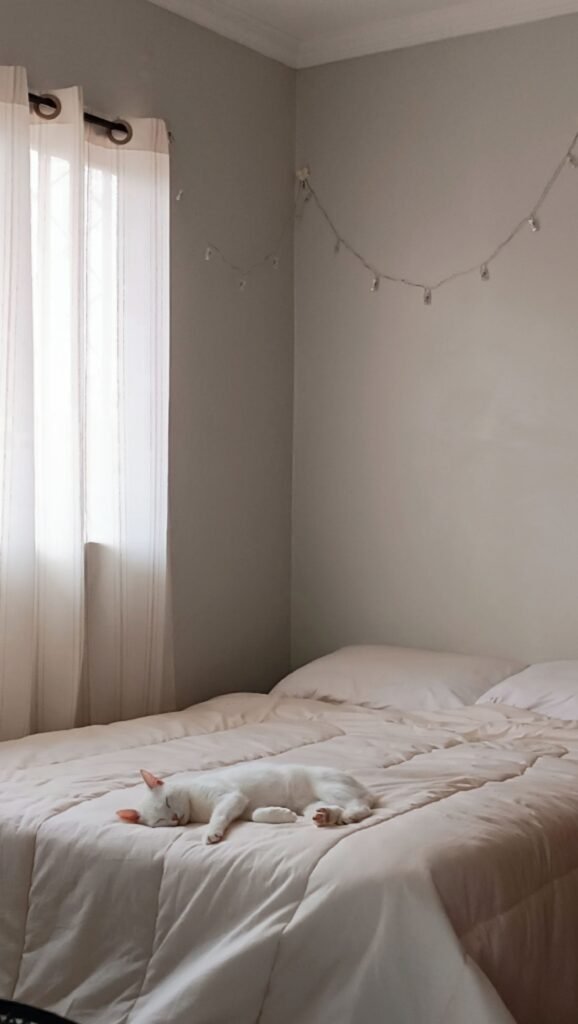
Utopia Bedding – All-Season Down Alternative Comforter (Queen)
Fill Material: Plush Siliconized Fiberfill | Shell: Microfiber Cover | Design: Box-Stitch Construction with Corner Tabs
- Siliconized Fiberfill: Crafted with synthetic down alternative clusters that provide lightweight loft and surface cushioning.
- Box-Stitched Construction: Features box quilting to keep the microfiber fill evenly distributed and prevent shifting during use.
- Corner Corner Loops: Equipped with built-in tabs on all corners to secure the comforter inside a duvet cover.
- Queen Sizing: Standard 88 x 88-inch dimensions designed for year-round bedroom use and easy handling.
🧼 FAQ: Maintenance and Care
Q: How should these comforters be laundered to maintain their fluffy loft?
A: Down-alternative synthetic comforters (such as DOWNCOOL or Lavish Comforts) are machine washable on a gentle, cool-water cycle. For natural down or wool options, using a protective duvet cover —utilizing corner loops like those on DOWNCOOL— is recommended to minimize wash frequency and preserve the fill structure over time.
Q: Does the BedJet climate system require complicated maintenance?
A: Not at all. Unlike electric blankets with internal wiring or water-based cooling pads, BedJet operates purely via motorized airflow. Maintenance consists simply of periodically washing its air filter to ensure strong, clean, and dust-free ventilation.
Cotton Shell & Fill Comforters
Cotton comforters are highly valued for their soft touch, crisp feel, and exceptional natural ventilation:
- Low-Maintenance Home Care: Provides the convenience of easy machine washing, maintaining its soft texture and freshness over time.
- Superior Air Circulation: Natural cotton fibers promote continuous airflow, dissipating excess heat and preventing night sweats.
- Ideal for Mild Climates: Delivers lightweight to medium warmth, making it the perfect choice for spring, summer, or well-heated bedrooms.
Cotton Comforters
Cotton comforters offer a crisp feel and practical everyday breathability. Crafted from plant-based fibers, these comforters facilitate airflow and moisture management, making them suitable for warmer seasons and temperate climates. They are machine-washable and resilient over time. However, their insulation capacity is lighter, meaning they provide less thermal retention compared to traditional down or wool comforters.

Martha Stewart – Goose Feather & Down Comforter (Queen)
Fill Material: 75% Goose Feathers / 25% Goose Down | Shell: 100% Cotton Cover | Design: End-to-End Box Stitching
- Feather & Down Blend: Packed with 58oz of goose feather and down fill, providing medium loft and structured weight.
- 100% Cotton Shell: Encased in a woven cotton fabric designed to contain the fill while facilitating airflow.
- All-Season Construction: Features a medium warmth rating, suitable for year-round bedroom temperature management (90 x 90 inches).
💰 FAQ: Value and Price-to-Performance
Q: Why do some of these products carry a higher price point than average market options?
A: Because they represent a long-term investment in daily sleep quality and advanced temperature management (such as BedJet active climate control or YOUR MOON natural wool). High-quality sleep products maintain their loft, insulation, and comfort properties year after year, eliminating the need to replace flattened comforters every season.
Natural Wool Comforters
Natural wool-filled comforters are highly valued for their advanced thermoregulation properties and exceptional longevity:
- Smart Thermoregulation: Organic wool fibers absorb and release ambient moisture, providing cozy warmth in winter while maintaining a fresh feel in warmer seasons.
- Hygienic Sleep Environment: Superior moisture management minimizes residual dampness, promoting a clean and dry sleeping surface.
- Resilient Construction: Retains its loft and insulating capability over time, requiring gentle laundering according to wool care guidelines.

Cuddle Dreams – Midweight Wool Comforter (Queen)
Fill Material: 100% Australian Wool Fill | Shell: 100% Organic Cotton Shell | Design: Box-Stitched Construction
- Pure Australian Wool Fill: Packed with 100% authentic Australian wool, delivering an organic layer of warmth that breathes naturally with your body.
- Soft & Noiseless Cotton Shell: Features a premium, ultra-soft cotton casing designed to be completely silent, eliminating any annoying crinkling sounds when you toss and turn.
- Perfect Midweight Balance: Specially engineered with a midweight thickness, making it exceptionally versatile for balanced, year-round comfort across all seasons.
🌡️ FAQ: All-Season Thermal Comfort
Q: Can an all-season comforter truly work well in both winter and summer?
A: Yes, provided it features highly breathable fabrics and fill materials. Hotel-grade comforters promote active air circulation and moisture evaporation, preventing overheating during warmer nights while retaining cozy warmth when ambient temperatures drop. For precise, customizable temperature control, active systems like BedJet offer on-demand heating and cooling year-round.Each comforter type presents distinct advantages and construction features, allowing sleepers to select the ideal balance of warmth, breathability, and maintenance for their individual lifestyle.
📊 Premium Bedding Comparison Table
This comparison table highlights key specifications, value propositions, and ideal sleeper profiles to help you make a fast and informed buying decision.
| Product | Materials / Key Features | Value Proposition / Focus | Ideal For… | Conversion Factor (Why Choose It) |
| BedJet Climate System | Motorized airflow, active heating and cooling system. | Dual-Zone Climate Control Tech | Hot or cold sleepers and couples with contrasting temperature preferences. | High-end active technology: Customizes sleep temperature under the covers in minutes. |
| Pacific Coast Comforter | Premium goose down fill with 420 thread count 100% cotton shell. | Artisanal Quality & Sustainable Build | Sleepers seeking classic luxury, extreme softness, and high-loft down plushness. | Smart design: Internal baffle-box stitching prevents fill shifting over time. |
| Lavish Comforts Comforter | Hypoallergenic down-alternative synthetic fill with plush texture. | Boutique Hotel-Style Comfort | Those wanting a 5-star hotel feel with low-maintenance home care. | Great value & durability: Excellent breathability and long-lasting loft for daily use. |
| DOWNCOOL King Comforter | Down-alternative fiber fill, 100% soft cotton cover, corner loops. | Duvet Cover Compatibility & Fit | Duvet cover users looking for a fluffy insert that stays securely anchored. | Everyday functionality: Corner tabs keep the insert firmly attached without slipping. |
| YOUR MOON Wool Comforter | 100% natural Australian wool, quiet cotton outer shell. | Organic Thermoregulation & Eco-Focus | Natural fiber lovers, eco-conscious shoppers, and sensitive skin sleepers. | Smart organic insulation: Wool naturally balances bed temperature in a quiet, breathable weave. |
Factors to Consider When Choosing a Comforter
How to Choose a Bed Comforter: Buying Guide
Selecting a bed comforter involves evaluating several practical factors to identify an option aligned with your room temperature, bedding preferences, and maintenance requirements.
- Climate and Thermal Retention: Room temperature and regional climate dictate fill weight. Heavyweight, high-loft fills provide greater heat retention for cooler environments, while lightweight, breathable fabrics suit warmer room conditions.
- Material Selection and Shell Fabric: Fiber composition influences airflow and texture. Down alternative and cotton options provide smooth surfaces and easy routine maintenance, whereas natural down or wool offer distinct insulation profiles.
- Sizing and Coverage: Comforter dimensions should match your mattress size (Twin, Full, Queen, King, or California King) to provide adequate side drape and proper bed coverage.
- Bedroom Integration: Neutral tones, quilting patterns, and fabric finishes allow the comforter to align visually with existing room decor and duvet covers.
- Care Protocols: Review cleaning instructions prior to purchase. Many synthetic and cotton models permit standard machine washing, while specialized natural fills require dry cleaning or gentle cycle procedures to preserve fill loft.
Bed Comforter Care & Maintenance Guide
Proper care and maintenance are essential to maximize your bed comforter’s lifespan, preserve its comfort, and maintain a clean, fresh bedroom environment. Follow these practical guidelines to keep your bedding in optimal condition:
- Check the Care Labels First: Always read the manufacturer’s care label before washing, as different fill materials have highly specific cleaning requirements. As a general rule, laundering your comforter every 2 to 3 months is ideal to maintain freshness and keep your bedding clean.
- Smart Washing Techniques: When washing at home, use a gentle or mild liquid detergent. Opt for a delicate cycle with cold or lukewarm water to fully preserve the integrity of the fabrics and fibers.
- Prevent Fill Clumping: Ensure your synthetic down alternative or traditional down comforter is fully machine-washable. For delicate luxury materials like silk, stick to professional dry cleaning. When machine-drying, always use a low-heat setting and toss in a few dryer balls or clean tennis balls to prevent the filling from clumping together.
- Breathable Off-Season Storage: When storing your comforter during warmer months, keep it in a cool, dry, and well-ventilated closet. It is highly recommended to use a breathable cotton storage bag rather than plastic to keep dust away while preventing moisture buildup. Never compress or vacuum-seal a premium comforter, as crushing the fill permanently damages its original loft and insulation capacity.
- Routine Inspection & Spot Cleaning: Regularly check your comforter for minor spills or odors. Dealing with stains immediately through quick spot cleaning will prevent permanent damage and keep your bed fresh and crisp for years to come.
Final Thoughts: Elevate Your Bedroom Setup
Choosing a bed comforter involves balancing fill material, cover fabric, thermal insulation, and care requirements. From down comforters offering high loft-to-weight ratios to synthetic down alternatives providing machine-washable maintenance, each option addresses distinct functional preferences.
Evaluating your local climate, room temperature, and mattress dimensions ensures proper coverage and appropriate warmth levels throughout the year. Selecting a comforter based on objective material specifications helps establish a durable, practical bedding configuration suited to your bedroom setup.